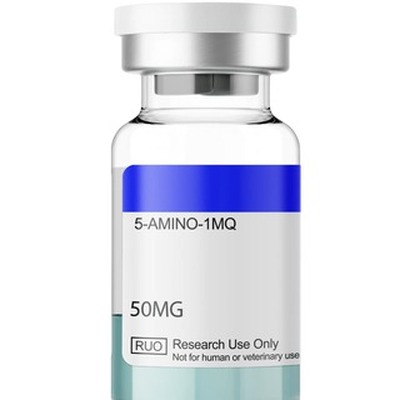
Did you know that a significant portion of laboratory setbacks occur not because of poor execution but because the initial material was a poor fit for the specific study goals? Choosing a chemical compound for study is like picking a specialized tool for a delicate repair. If the tool is slightly off in size or strength, the entire process fails. You must look past the name of a substance and analyze how its specific characteristics align with what you want to discover.
Researchers often feel a rush to begin testing but skipping the alignment phase is a mistake. Every molecule has a unique behavior pattern under different temperatures, light conditions and concentrations. You are responsible for ensuring that the compound you select is capable of producing the data you need - this article explores how you can sharpen your focus and choose the right materials with confidence.
Before you open a single vial, you need to ask yourself exactly what you are trying to measure. Are you looking at cellular energy, tissue changes or metabolic pathways? Each objective requires a different set of chemical tools. When you define your goals clearly, you lower the risk of wasting time on substances that lack the necessary bio availability or stability for your specific environment.
Clear objectives act as a filter - They help you decide between two similar sounding options. As an example, if your work focuses on how cells manage energy, you might look into specific metabolic modulators. Scientists often find that a detailed overview of peptide research helps them distinguish between compounds that appear similar but function through different biological mechanisms - this level of clarity prevents errors in the early stages of your project.
Consider these points when setting your goals
Once you know your goal, you must look at the physical and chemical properties of your potential compounds. Solubility is a major factor. If your research environment is water based but your compound is only oil soluble, you will face significant hurdles. You also need to consider the molecular weight, as this influences how a substance moves through a medium or interacts with a cell membrane.
Different compounds offer different strengths - Some are prized for their ability to remain stable at room temperature, while others are very fragile and require deep freeze storage. If you are investigating how certain small molecules influence metabolic enzymes, you might find that information on peptide formulation provides the necessary context for your experimental design. Matching the compound to your environment is just as important as matching it to your hypothesis.
Varying your selection based on the desired outcome is a hallmark of a good researcher. You are not just looking for a "high-quality" substance - you are looking for the "right" substance - this involves reading technical data sheets and understanding the synthesis process used to create the material. Small differences in the manufacturing chain can lead to different results in your lab.
Trusting your source is a non negotiable part of the process. In the world of research chemicals, purity is everything. A compound that is 95 % pure contains 5 % unknown substances that could interfere with your data. You should always look for third party testing results to confirm that what is on the label is actually in the bottle - these documents are your insurance policy against skewed results and unexpected chemical reactions.
Stability is another critical factor you must account for - Some molecules begin to degrade the moment they are exposed to air or light. If your study requires a compound to remain active for multiple days in a specific solution, you must verify its half life. Researchers studying topical applications or skin related cellular changes, for example, often look for a broader guide to peptide science to understand how different sequences hold up under varying conditions.
To ensure laboratory safety and data integrity, follow these steps
One of the most frequent mistakes is choosing a compound based on popularity rather than data. Just because a specific molecule is being discussed frequently in journals does not mean it is the right fit for your specific project. You must remain objective and prioritize the technical requirements of your study over current trends in the scientific community.
Another pitfall is underestimating the complexity of storage and handling. If you do not have the equipment to maintain ultra low temperatures, do not choose a compound that requires them. You are much better off selecting a slightly different molecule that is stable in the conditions you can actually provide. Success in the lab is often the result of being realistic about your resources and limitations.
Finally, avoid the temptation to buy the cheapest option available. High quality synthesis is an expensive process. If a price seems too low, the purity is likely insufficient for professional research. Investing in verified materials is the only way to ensure that your findings are reproducible and credible. Reliable data is the most valuable asset in your work and it starts with the quality of your base materials.
Purity ensures that the results you observe are caused by the compound itself and not by contaminants. Even small amounts of impurities can trigger different biological responses or cause the compound to degrade faster than expected.
A COA is a document provided by a third party lab that verifies the chemical identity and purity of a substance. It confirms that the product matches the specifications promised by the supplier.
Storage depends on the specific molecule but most research chemicals stay stable longest when kept in a cool, dark and dry place. Many peptides and proteins require refrigeration or freezing to prevent the molecular chains from breaking down.
While some compounds have multiple uses, you must re evaluate your objectives for each new study. A substance that works well for an in vitro cell study might not be suitable for a different type of experimental model because of differences in stability and absorption.