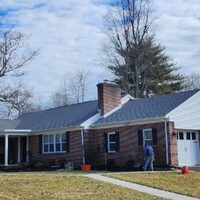
Cities generate and trap massive amounts of thermal energy, creating localised climates that are significantly hotter than surrounding rural areas. This phenomenon, heavily studied by meteorologists, is driven by the dense concentration of concrete, asphalt roads, and closely packed buildings that absorb solar radiation throughout the day and slowly release it overnight. For residential properties located within these dense zones, the continuous exposure to elevated temperatures places immense stress on exterior building materials. The topmost layer of a building bears the absolute brunt of this relentless solar assault, absorbing ultraviolet rays that cause chemical degradation in standard construction materials. Recognising how this intense heat affects the lifespan of your property is the first step in making informed decisions about exterior maintenance and long-term energy management.
Traditional dark-coloured asphalt shingles, while common and inexpensive, perform exceptionally poorly in high-temperature urban environments. These dark surfaces absorb up to ninety percent of the solar energy that hits them, causing the surface temperature of the materials to exceed seventy degrees Celsius on a bright summer afternoon. This extreme heat bakes the shingles, accelerating the loss of their protective mineral granules and causing the underlying asphalt to become brittle, crack, and eventually curl at the edges. When you consult with a specialist roofer in philadelphia, they will explain that this premature deterioration drastically reduces the expected lifespan of the installation. Furthermore, this absorbed heat does not simply vanish; it radiates straight down into the attic space, turning the top floor of the property into a stiflingly hot environment that requires massive amounts of electrical energy to cool.
The financial burden of cooling a home under a superheated exterior surface is substantial and continuous. Air conditioning units are forced to run constantly, straining the mechanical components and driving monthly electricity bills to completely unmanageable levels. The thermal transfer from the hot exterior down into the living spaces is a direct result of poor material selection and inadequate attic ventilation. When the ambient temperature inside the attic reaches extreme levels, it literally bakes the wooden rafters and degrades the effectiveness of the fibreglass insulation laid between the ceiling joists. Over a period of five to ten years, the structural integrity of the timber can be compromised by this constant cycle of intense heating and inadequate cooling, leading to expensive carpentry repairs that could have been entirely avoided.
Addressing this thermal challenge requires shifting toward modern, highly reflective materials specifically engineered for urban climates. Cool roofing technology has advanced significantly, offering residential options that mimic the appearance of traditional architectural shingles while incorporating highly reflective granules that bounce a large percentage of solar radiation back into the atmosphere. Metal panel systems represent another highly effective option, providing exceptional durability and reflecting solar heat efficiently. These specialised materials keep the surface temperature significantly lower, drastically reducing the thermal load transferred into the property. The initial material cost is slightly higher, but the long-term data clearly shows a rapid return on investment through extended material lifespan and drastically reduced monthly cooling expenditures.
Proper ventilation works in tandem with reflective materials to effectively break the cycle of heat accumulation. Intake vents located at the lower edges of the roofline must work synchronously with exhaust vents positioned near the highest peak to create a continuous, natural flow of air. This passive system constantly flushes hot, stagnant air out of the attic space, replacing it with cooler ambient air from outside. A scientifically balanced ventilation system prevents heat from pooling and protects the wooden structural elements from thermal degradation. By treating the exterior envelope as an active thermal management system rather than just a simple rain cover, property owners can drastically improve their daily comfort while significantly lowering their carbon footprint and reducing long-term maintenance costs.
Conclusion
The extreme temperatures generated within dense urban environments cause standard building materials to degrade rapidly and drive up household energy costs. Transitioning to highly reflective materials and ensuring scientifically balanced ventilation protects your home from premature deterioration and excessive thermal transfer.
Call to Action
Reduce your cooling costs and protect your home from intense urban heat with modern, highly reflective exterior materials. Speak with our specialists today to discover how advanced thermal management systems can improve your property's efficiency.