The modern approach to hosting guests has completely discarded the concept of the isolated host labouring away in a closed-off room. Today, the preparation of food is the central entertainment of any gathering. When friends and family arrive, they naturally gravitate toward the smell of cooking and the visual action of the meal coming together. However, a room that has not been structurally designed to handle a sudden influx of people quickly turns this pleasant social instinct into a chaotic, stressful experience. Guests end up standing in the way of hot ovens, blocking access to the refrigerator, and accidentally interfering with the complex timing of a large meal.
Observing how people move during a party reveals clear behavioural patterns. Visitors look for a place to rest their drinks, a surface to lean against, and a clear line of sight to the person doing the cooking. If the architecture of the room does not provide these designated zones, guests will simply occupy the working pathways. The goal of a socially focused design is to establish an invisible boundary between the functional cooking zone and the relaxed social zone. Achieving this separation allows the host to work freely without feeling isolated from the conversation happening just a few feet away.
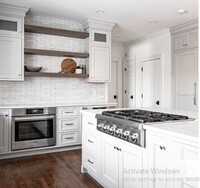
Investing in a strategic kitchen remodeling New Fairfield update provides the opportunity to actively direct foot traffic through intelligent structural choices. The central island is the most effective tool for managing this flow. By designing an island with a clear functional side and a distinct seating side, you naturally establish where guests belong. Extending the countertop overhang significantly and raising the seating side by a few inches creates a physical barrier that keeps wine glasses and appetizer plates safely separated from chopping boards and boiling pots.
Managing the flow of beverages is another critical component of successful entertaining. A central refrigerator located deep within the primary cooking area guarantees that every time a guest wants a cold drink, they will cross directly through the host's workspace. Designing a secondary beverage station on the outer perimeter of the room completely eliminates this point of friction. Equipping this outer station with a dedicated wine cooler, a secondary sink, and glass storage allows guests to serve themselves without ever stepping into the main preparation triangle.
The physical cleanup process during an event also requires careful architectural consideration. Nothing breaks the mood of an elegant dinner party quite like a massive pile of dirty pots and plates stacking up in full view of the seating area. Incorporating deeper, single-basin sinks allows hosts to fully submerge and hide large roasting pans until the guests have left. Additionally, installing two dishwashers flanking the main sink provides immediate capacity to clear plates between courses, keeping the visible surfaces clean and maintaining a calm atmosphere throughout the evening.
Acoustics play a surprisingly large role in how comfortable a room feels when filled with people. Hard surfaces bounce sound waves aggressively, turning normal conversations and the clatter of cutlery into an overwhelming din. While soft furnishings are rare in a cooking space, choosing specific structural materials can help absorb this noise. Solid wood cabinetry dampens sound far better than thin metal or glass fronts. Adding decorative acoustic panels to the ceiling or selecting cork-backed flooring options can drastically reduce the echo, making it easier for guests to hear each other and enjoy the environment.
Managing environmental comfort is equally important. Upgrading to a highly effective, externally vented extraction system prevents cooking odours and excess heat from overwhelming the social areas. This simple upgrade ensures the atmosphere remains fresh and inviting for guests, regardless of what is happening on the stove.
The ability to host effortlessly is rarely a matter of natural talent; it is almost entirely dependent on the environment you are working within. When a space is engineered to handle multiple people, varied tasks, and clear social zones, the anxiety of entertaining disappears. The host can finally relax and participate in the gathering, confident that the architecture of the room is doing the heavy lifting of managing the crowd.
Conclusion
Transforming your home into a welcoming space for gatherings means planning for human behaviour as much as for cooking. By establishing clear social boundaries and dedicated service stations, you can host memorable events without the stress of a crowded workspace.
Call to Action
Create the ultimate entertaining environment by working with designers who understand the precise mechanics of social flow and functional layout.