Professional workwear is important for jobs when employees work around machinery, tools, vehicles, changing weather, or physically demanding tasks. The right clothing can support safety, comfort, and confidence while helping workers perform. Choosing suitable workwear requires more thought than selecting a style or color.
The first step is to consider what the work involves. A warehouse employee may need visibility and freedom of movement, while someone working outdoors may require protection from weather and rough conditions. Industrial roles can involve additional hazards such as heat, sparks, abrasion, or moving equipment.
Understanding these demands makes it easier to identify important features. Employers should also consider workplace rules and required protective standards before purchasing garments.
Workwear should allow employees to move naturally throughout their shifts. Clothing that is excessively tight can restrict bending and reaching, while oversized garments may become inconvenient around equipment. A balanced fit provides enough room for movement without creating unnecessary bulk.
Details such as adjustable cuffs, practical closures, flexible panels, and well-positioned pockets can improve everyday usability. Workers should walk, climb, kneel, and perform routine tasks without constantly adjusting clothing.
Visibility becomes especially important when employees work near vehicles, machinery, roads, or other moving operations. Bright materials and reflective elements can help workers stand out from their surroundings, particularly in poor lighting or changing weather.
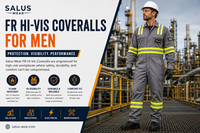
For demanding environments where visibility and protective features are both important, line grey fr hi vis coveralls for men can be considered as one suitable workwear option. The garment should still be evaluated against workplace requirements and potential hazards.
Material choice can affect comfort, durability, and performance. Strong fabrics can withstand frequent movement and repeated washing, while breathable materials may feel more comfortable during long shifts or warmer conditions. Some work environments also require specialized fabrics designed for particular hazards.
Check garment specifications and care instructions before purchasing. A material suitable for one occupation may not suit another, so workplace conditions should guide the decision.
Small design details can have a major effect on everyday convenience. Multiple pockets can provide useful storage, while secure closures can keep personal items from falling out during movement. Reinforced stitching may help garments handle repeated stress in areas that receive frequent wear.
Consider whether these features support the job. Extra details matter when they make work easier without adding unnecessary complexity.
Professional workwear needs regular care to remain in good condition. Before buying garments, understand how they should be washed, dried, and stored. Complicated maintenance can become inconvenient when clothing needs frequent cleaning.
Workers should inspect garments regularly for fading, damaged fasteners, torn seams, or worn protective sections. Replacing clothing when it no longer meets workplace requirements is essential.
Price matters, but the cheapest option is not always the most economical. A garment that wears out quickly may require repeated replacement, increasing costs over time. Durable workwear can provide better value when it continues performing through regular use.
Compare construction, materials, comfort, protection, and lifespan rather than price alone. The best choice meets workplace needs while remaining practical for daily use.
Selecting professional workwear is ultimately about matching clothing to people, tasks, and working conditions. By considering safety, visibility, fit, fabric, useful features, maintenance, and long-term value, employers and workers can make decisions with greater confidence. Well-chosen workwear should feel comfortable, support movement, and provide appropriate protection, making it a dependable part of the working day.